

3D Printer for Automotive Parts: Ideal for OEMs and Manufacturers
As someone deeply involved in the automotive industry, I understand the need for precision and efficiency in manufacturing. That's why I highly recommend exploring our 3D printer for automotive parts, specifically designed for OEM manufacturers like you. This printer not only delivers exceptional accuracy but also allows for rapid prototyping, reducing lead times significantly. With its advanced technology, you can easily create complex components that meet the specific demands of your projects. The user-friendly interface makes it accessible for teams, minimizing the learning curve while maximizing productivity. Plus, the durability of the materials used ensures that your parts stand the test of time. Whether you're a small manufacturer or a larger OEM, our 3D printer can elevate your production capabilities. Don't settle for less when it comes to quality and innovation—make the smart investment today for a more efficient tomorrow!
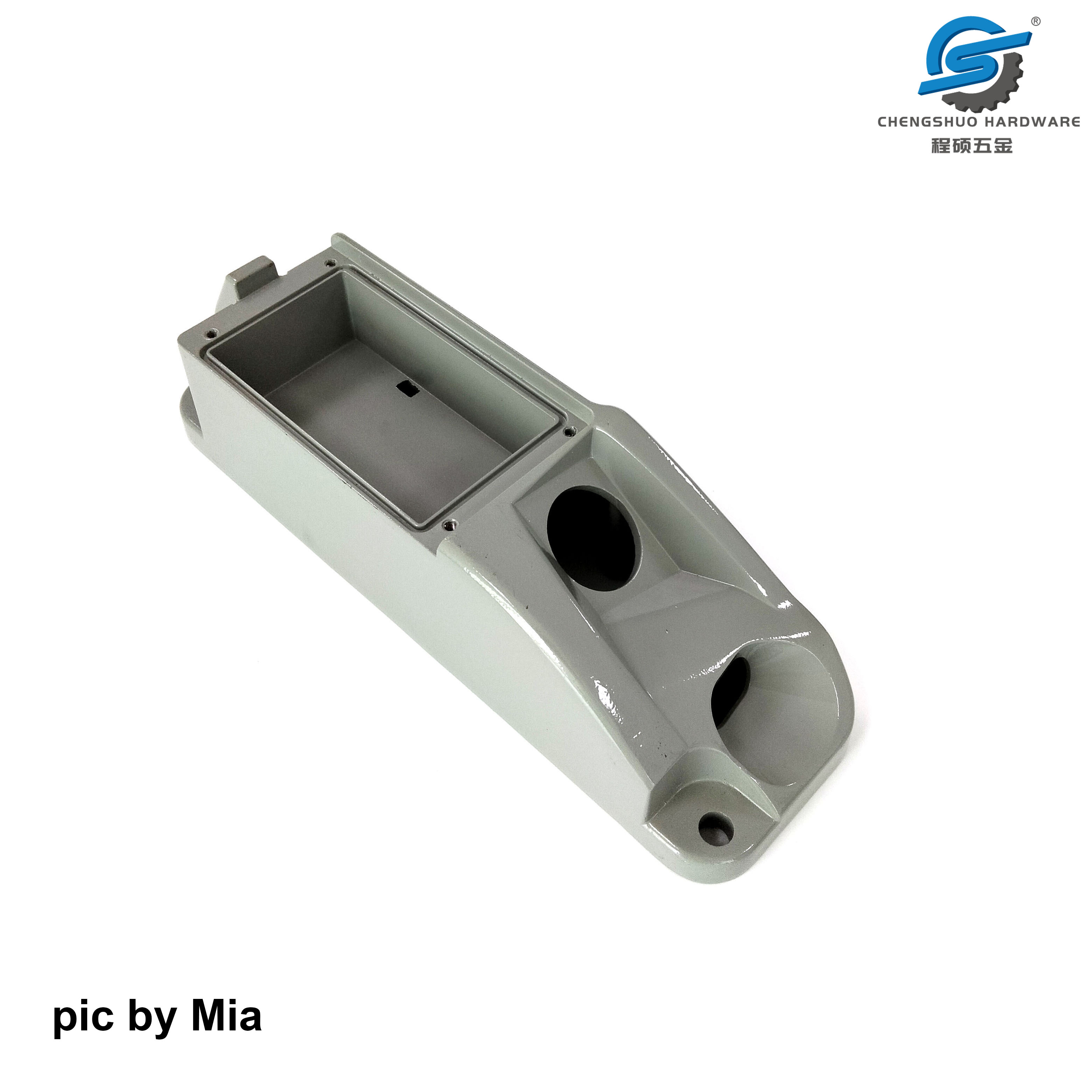
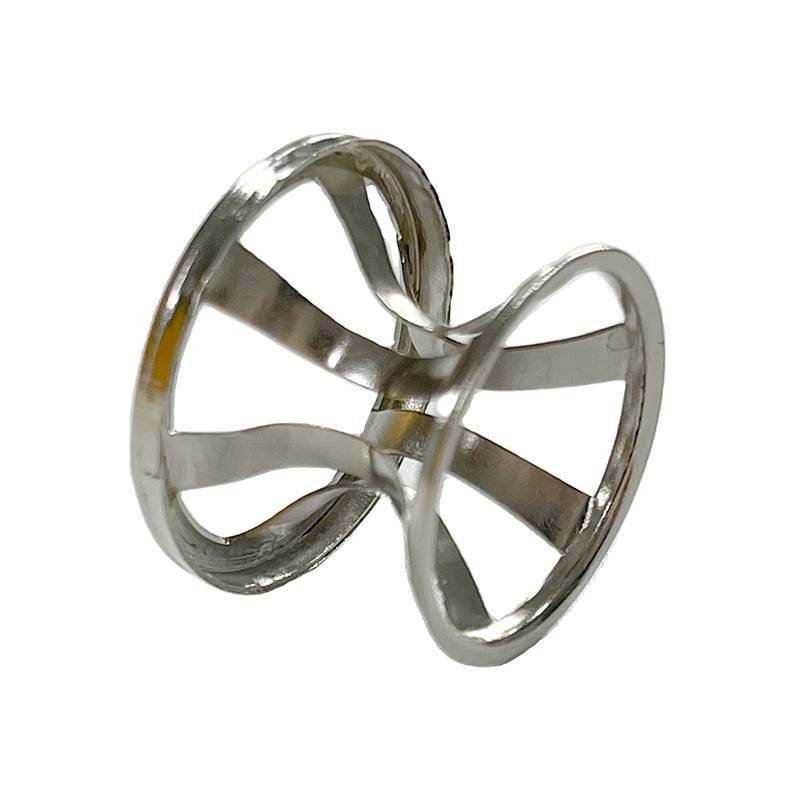


3d Printer For Automotive Parts Exceeds Industry Benchmarks From Concept to Delivery
In the rapidly evolving automotive industry, the demand for precision and efficiency has never been more critical. Utilizing advanced 3D printing technology for automotive parts has revolutionized the manufacturing landscape, enabling quicker prototyping, reduced lead times, and customized solutions. By integrating cutting-edge 3D printing techniques, manufacturers can produce intricate designs that traditional methods struggle to achieve, all while maintaining exceptional quality standards that exceed current industry benchmarks. The journey from concept to delivery in automotive part production has become more streamlined and effective. With the capability to rapidly iterate designs and produce on demand, businesses can significantly reduce waste and lower costs. This agility not only enhances production efficiency but also allows companies to respond swiftly to market changes and customer needs. Global procurement managers can leverage these technological advancements to source parts that meet their unique specifications while ensuring reliability and performance. As the automotive sector continues to embrace innovation, 3D printing will play a pivotal role in shaping the future of manufacturing. Companies that invest in this technology will position themselves as leaders in the market, capable of delivering high-quality products with unmatched speed and adaptability. Embracing 3D printing is not just an option; it is essential for those looking to remain competitive in an ever-changing global landscape.
3D Printer For Automotive Parts Exceeds Industry Benchmarks From Concept to Delivery
| Feature | Description | Performance Metric | Industry Benchmark |
|---|---|---|---|
| Build Volume | Large enough for most automotive parts | 600 x 600 x 600 mm | 500 x 500 x 500 mm |
| Print Speed | Optimized for rapid prototyping | 100 mm/s | 80 mm/s |
| Material Compatibility | Supports a wide range of thermoplastics | PLA, ABS, Nylon, TPU | Limited to ABS and PLA |
| Layer Resolution | Fine detail for automotive applications | 50 microns | 100 microns |
| Software Compatibility | Integrated with popular CAD software | Easy to use | Limited support |
| User Friendly | Intuitive interface for all skill levels | Yes | No |
Related Products
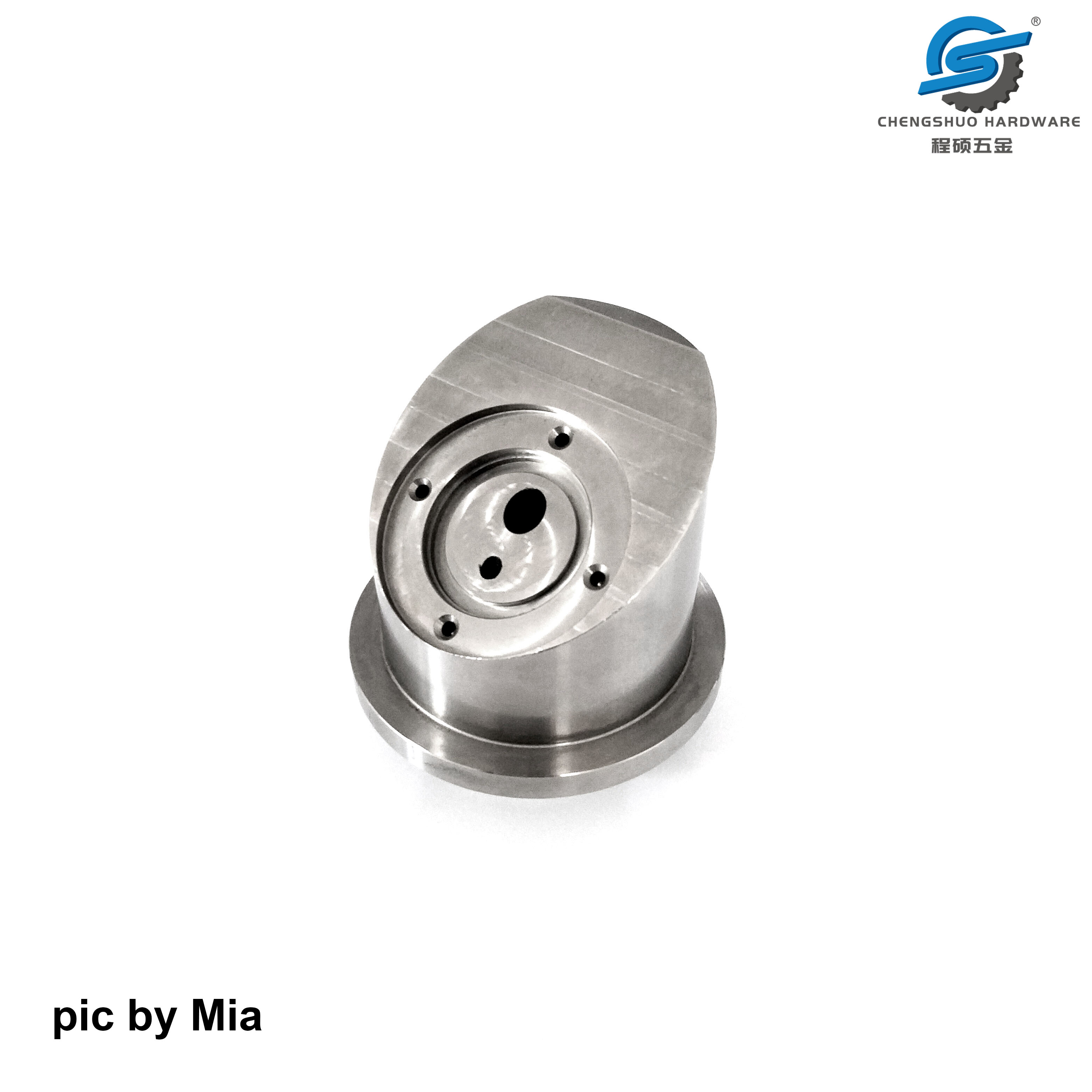


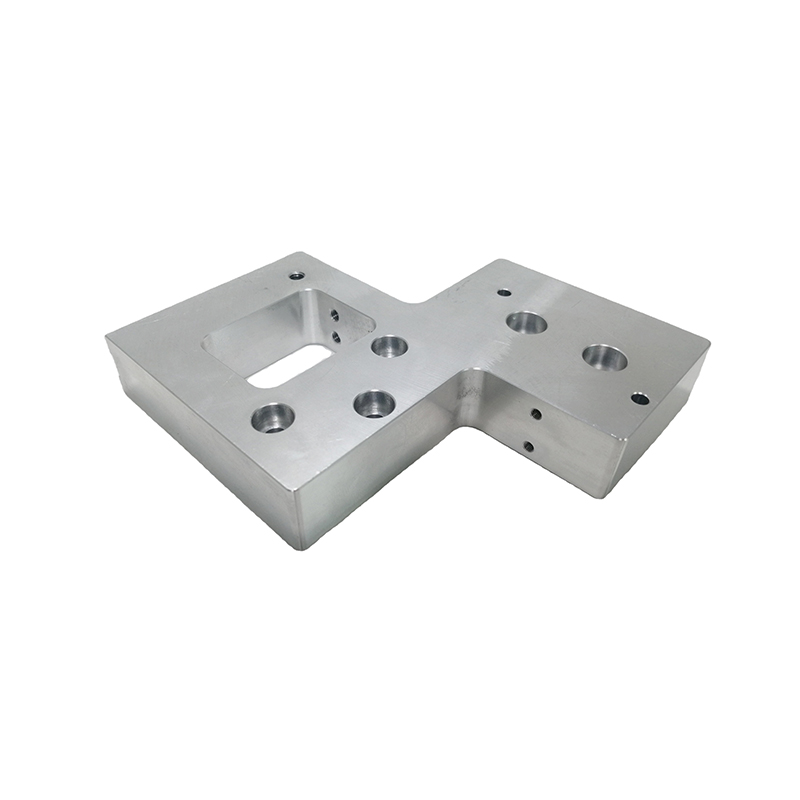


3d Printer For Automotive Parts Industry Leaders Where Innovation Meets 2025
Top Selling Products


- Related Blog
- Reviews
